
When you decide to go solar, one of the first – and most important – choices you’ll face is which type of solar system to install. The three main options are on-grid, off-grid, and hybrid, and each works very differently. Choose the right one and you’ll enjoy years of savings and energy independence. Choose the wrong one and you may end up spending more than necessary, or worse, running out of power when you need it most.
This guide explains how each system works, who it’s best suited for, and how to decide which one fits your situation in Sri Lanka.
On-Grid Solar Systems (Grid-Tied)
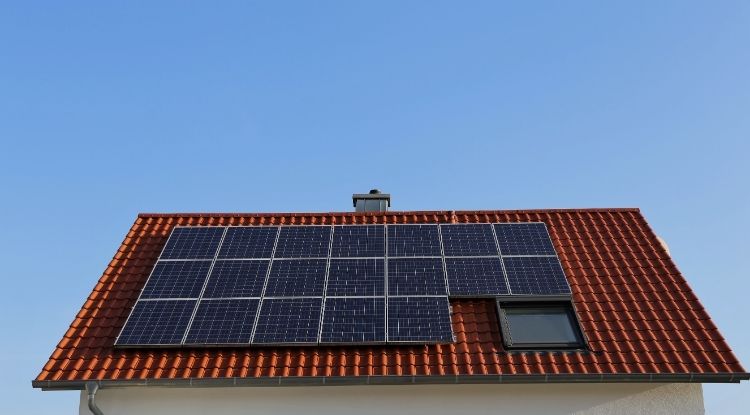
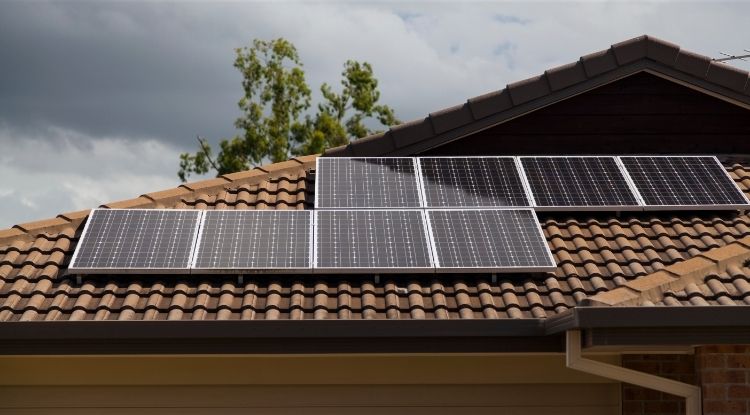
An on-grid system connects directly to the Ceylon Electricity Board (CEB) or Lanka Electricity Company (LECO) distribution network. During the day your panels generate power and supply your home first; any surplus flows back to the grid. At night, or when your panels can’t keep up with demand, you draw from the grid as normal. Under Sri Lanka’s net metering scheme, the surplus units you export are credited against the units you later import, which can bring your monthly bill down significantly sometimes to zero.
Best For
Homes and businesses in areas with a stable grid connection and relatively infrequent power cuts. This is the most cost-effective system type and the right starting point for most urban and suburban Sri Lankan households.
Advantages
- Lowest upfront cost no batteries required
- Net metering credits reduce electricity bills
- Simple installation and maintenance
- Longest panel lifespan (25+ years)
- Easiest system to scale up later
Limitations
- No power during grid outages (by law, for safety)
- Dependent on a functional grid connection
- Net metering approval can take time
- Limited benefit in areas with long outages
Off-Grid Solar Systems
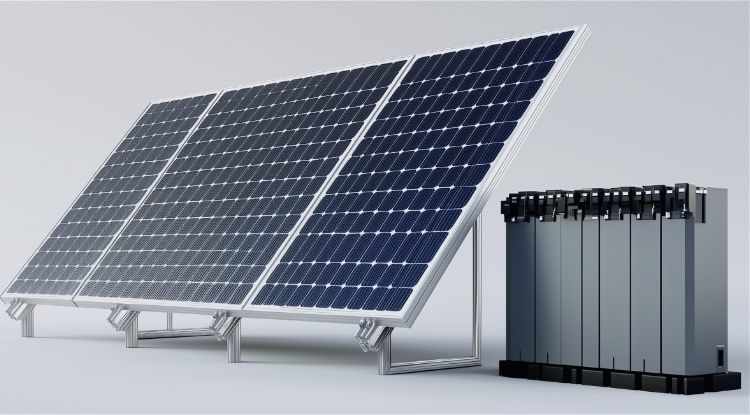
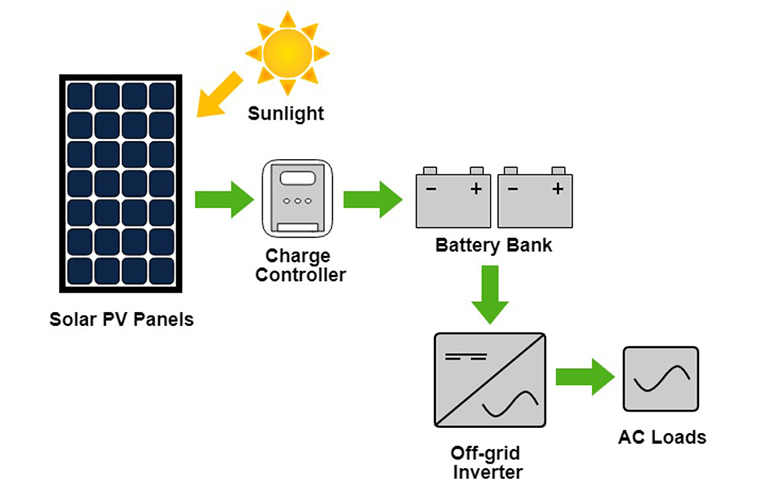
An off-grid system operates completely independently from the utility grid. Your solar panels charge a bank of batteries during the day, and you draw from those batteries at night or during cloudy periods. There is no grid connection at all which means you need a large enough panel array and battery bank to cover all your energy needs, including several days of overcast weather or lower-than-average sun.
Off-grid systems are common in remote areas of Sri Lanka agricultural land, tea estates, and hill-country properties where grid extension is prohibitively expensive or simply unavailable. They are also increasingly popular with businesses and households that want complete energy independence regardless of where they are located.
Best For
Remote properties without a grid connection, farms and plantations, and anyone who needs complete independence from the utility network and is prepared to manage their energy consumption carefully.
Advantages
- Fully independent no electricity bills
- Works where there is no grid access
- Immune to grid outages and tariff increases
- Ideal for remote agricultural or estate use
Limitations
- Highest upfront cost due to battery bank
- Batteries require replacement every 5–10 years
- Must carefully manage energy consumption
- Oversizing required for cloudy periods
Hybrid Solar Systems
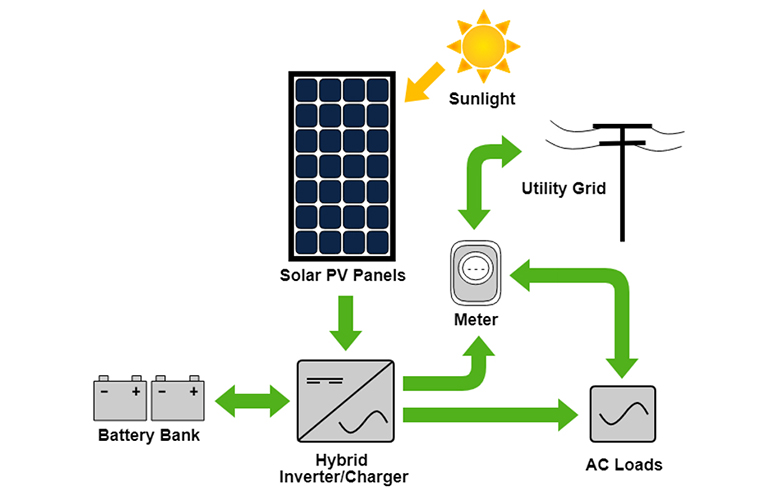
A hybrid system gives you the best of both worlds. Like an on-grid system it stays connected to the CEB grid and can export surplus power and benefit from net metering. But it also includes a battery bank, so when the grid fails your home switches to battery power automatically you don’t even notice the outage. Once the batteries are full and you’re still generating surplus, the rest exports to the grid.
Given Sri Lanka’s history of load shedding and grid instability in certain areas, hybrid systems have grown rapidly in popularity among both homeowners and businesses who want bill savings without sacrificing reliable power.
Best For
Homes and businesses that want lower electricity bills AND reliable backup power during outages. The ideal choice for most urban and semi-urban Sri Lankan households, particularly those with air conditioning, sensitive equipment, or home offices.
Advantages
- Continuous power through grid outages
- Net metering savings plus battery storage
- Self-consumption optimised by battery
- Can add more batteries as needs grow
Limitations
- Higher upfront cost than on-grid only
- More complex installation and components
- Battery lifespan and replacement cost
- Requires a quality hybrid inverter
How to Decide: Five Questions to Ask Yourself
Still unsure which system is right for you? Work through these five questions and you’ll have a clear answer.
- Do you have a reliable grid connection?
If your property has no access to the CEB or LECO grid – or grid extension would cost more than the solar system itself off-grid is your only viable option. If you do have a connection, move to the next question. - How often and how long do power cuts affect you?
If outages are rare and brief, on-grid is perfectly adequate and the most cost-effective choice. If outages are frequent or last several hours as seen in some parts of Sri Lanka during peak demand seasons – a hybrid system will pay for the extra battery cost in peace of mind alone. - What is your monthly electricity bill?
Higher monthly bills mean faster payback on any system. On-grid gives you the quickest return on investment. Hybrid is slightly slower but gives you backup power too. Off-grid makes financial sense mainly when the grid is unavailable. - Do you have critical loads that cannot afford downtime?
Home offices, medical equipment, cold rooms, or water pumps that must stay on during outages push you firmly toward either a hybrid or off-grid system. Consider how many hours of backup you need and size the battery accordingly. - What is your budget for upfront investment?
If budget is tight, start with on-grid – it’s the lowest entry point and you can always add batteries later if you choose a hybrid-capable inverter from the start. If you want the full solution now, budget for hybrid. Off-grid typically requires the largest upfront investment of all three.
The Sri Lankan Context
Sri Lanka’s solar landscape has some unique characteristics worth keeping in mind. The country receives strong, consistent sunshine typically 6 – 8 peak sun hours per day making all three system types highly viable from a generation standpoint. The CEB’s net metering programme, available for both residential and commercial on-grid and hybrid customers, makes feeding excess energy back to the grid straightforward once approved.
Load shedding, while less severe than in earlier years, remains a factor in some regions particularly during high-demand months or when reservoir levels affect hydro generation. This makes hybrid systems particularly attractive for households in affected areas. Meanwhile, the island’s rural and agricultural sectors especially in areas like the Central Province, Sabaragamuwa, and parts of the North and East often have no viable grid connection, making well-designed off-grid systems the only practical solar option.
Our Recommendation
For most urban and suburban Sri Lankan homes with a stable grid connection: start with an on-grid system if budget is your priority, or go straight to a hybrid system if you want bill savings and outage protection together. Off-grid is the right choice only when there is genuinely no grid to connect to.
Not sure which applies to your property? Our engineers can assess your location, grid reliability, and consumption pattern and recommend the right system with a detailed cost-benefit breakdown. Contact SolarMaster to arrange a free consultation.