
Have you heard that the day-time electricity unit price in Sri Lanka has gone down? Many people saw this news and thought the same thing: “Does this mean solar is not worth it anymore?”
This is one of the biggest confusions about solar in Sri Lanka today. In this article, we explain what really changed, in simple English, and why solar can still save you a lot of money – maybe even more than before.
What Changed in Sri Lanka’s Electricity Pricing?
With more homes and businesses installing solar panels, the demand for grid electricity during the day has gone down. As a result, the government reduced the day-time unit price of electricity.
But this is only half of the story.
At the same time, the peak-hour price (night time) has gone up. Peak hours are usually in the evening, when most homes turn on lights, TVs, fridges, and cooking appliances at the same time. This is when electricity is most expensive.
Simple summary:
- ☀️ Day-time electricity: cheaper now
- 🌙 Night-time (peak hour) electricity: more expensive now
So, Is Solar Still Worth It in Sri Lanka?
Yes – and here’s why. Most people focus only on the day-time price drop and forget about the night-time increase. But this change actually creates a new opportunity for smart solar owners.
If your solar system is set up the right way, you can:
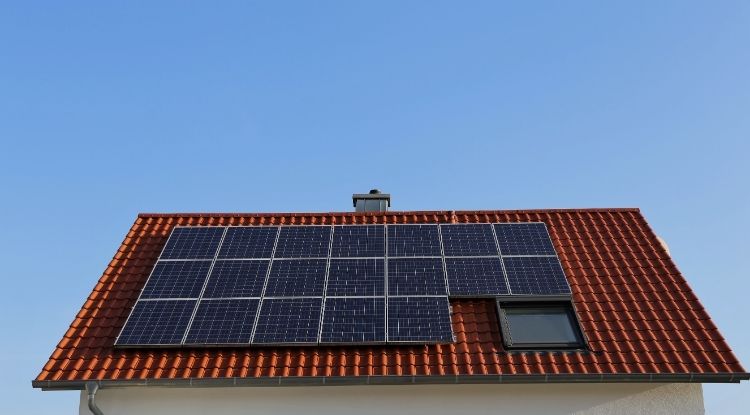
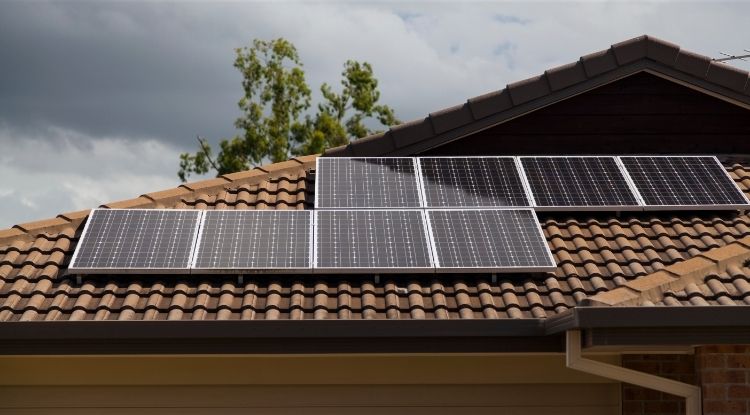
- Use free solar power during the day to run your home
- Avoid buying expensive peak-hour electricity at night
- Save more overall, even with the lower day-time rate
The homes that save the most under this new pricing are the ones using their solar power wisely – not just sending everything back to the grid.
Why the Type of Solar System You Choose Matters Now
This is where the pricing change really matters:
- On-Grid System (no battery): Sends extra solar power to the grid during the day (at the lower rate), then buys electricity back at night (at the higher peak rate). Still saves money, but not the maximum possible.
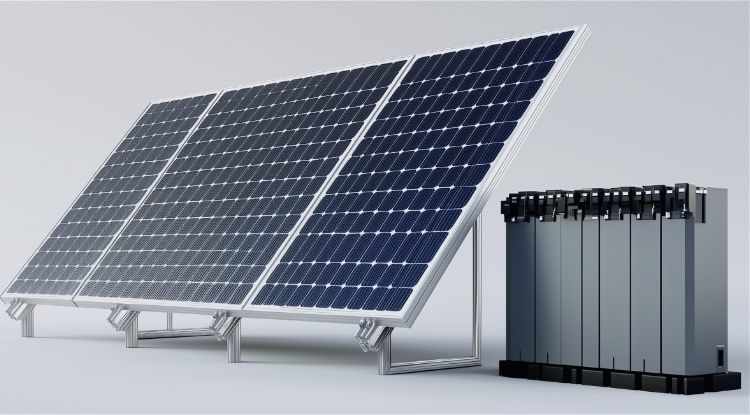
- On-Grid Hybrid System (with battery): Stores your extra day-time solar power in a battery, then uses it at night – during expensive peak hours – instead of buying electricity from the grid. This setup takes full advantage of the new pricing.
This is exactly why more Sri Lankan homes are now asking about hybrid solar systems with battery backup.
Real Example
Imagine your solar panels make more power than your home needs at midday. Under the new pricing:
- Without a battery: that extra power goes to the grid at the lower day rate. At night, you buy electricity back at the higher peak rate.
- With a battery: that extra power is saved in your battery. At night, you use your own stored power instead of buying expensive peak-hour electricity.
The battery turns the price difference into extra savings for you, every single day.
What Should You Do Now?
If you already have solar panels without a battery, it may be worth asking about adding one. If you are planning your first solar system, it’s worth comparing On-Grid vs Hybrid options based on this new pricing – not just the old pricing you may have read about before.
At Solar Master, we help you understand your electricity usage pattern and recommend the system that saves you the most under the current pricing – no guesswork, no pressure.
Final Thoughts
The new day-time price drop is not bad news for solar. It simply changes what the smartest solar setup looks like. With the right system, especially one with a battery, you can still save significantly – possibly more than before.
Want to know how much you could save under the new pricing?
📞 Call Solar Master now: 0113 412 999