
Solar energy has never been more accessible in Sri Lanka but one of the first questions almost every homeowner and business owner asks is: how much is this actually going to cost me? The answer depends on several factors, from the size of your system to the brand of panels and whether you want battery backup. This guide breaks down realistic 2026 price ranges, what drives costs up or down, and how to calculate whether solar makes financial sense for your property.
What Affects the Price of a Solar System in Sri Lanka
Before we get to numbers, it helps to understand what you are actually paying for. A solar system is not a single product it is a collection of components installed by a qualified team, and the cost of each element varies significantly based on quality, brand, and specification.
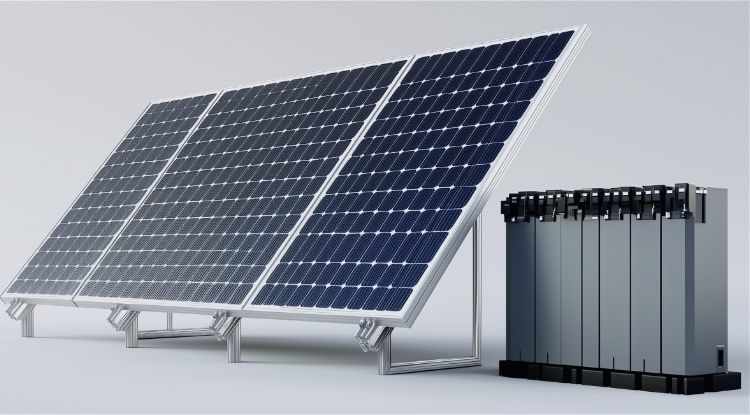
The main cost drivers are: the solar panels themselves (brand, efficiency rating, and wattage), the inverter (on-grid, off-grid, or hybrid), the mounting structure and cabling, the battery bank if you choose a hybrid or off-grid system, and the installation labour and commissioning charges. Each of these can range from budget to premium, and the difference between a cheap system and a quality one can be ten or more years of additional service life.
On-Grid System Price Ranges
On-grid systems – with no battery – are the most popular choice for urban and suburban homes with a reliable CEB or LECO connection. They are also the most affordable entry point into solar.
For a small home or apartment with modest electricity usage, a 2 – 3 kWp system is typically the right starting size. For an average Sri Lankan family home consuming between 200 and 350 units per month, a 3 – 5 kWp system covers most of the daytime load comfortably. Larger homes, guesthouses, and small offices often size between 5 and 10 kWp, while medium-scale commercial premises require 20 kWp and above.
As a general guide, on-grid installation costs in Sri Lanka in 2026 sit in the low hundreds of thousands of rupees for small residential systems and climb into the millions for larger commercial installations. The per-kWp cost also tends to fall as system size increases, which is why commercial solar offers some of the fastest payback periods in the market.
Hybrid System Price Ranges
A hybrid system adds a battery bank to the on-grid setup, giving you backup power during outages and the ability to use stored solar energy at night. This adds a meaningful amount to the upfront cost – typically in the range of a few hundred thousand rupees per battery unit, depending on capacity and brand – but the payback in reliability is significant for households in areas with frequent load shedding.
A typical residential hybrid system with one or two batteries for overnight and outage coverage will cost noticeably more than its on-grid equivalent, but remains well within reach for most homeowners who are serious about energy independence.
Off-Grid System Price Ranges
Off-grid systems require a larger battery bank to cover nights and multiple cloudy days, which makes them the most expensive of the three types. They are, however, the only viable option for properties with no access to the CEB or LECO grid remote agricultural land, hill-country estates, and rural properties where grid extension would cost far more than the solar system itself.
Expect off-grid systems to cost significantly more than an equivalent on-grid setup of the same panel capacity, primarily because of the battery bank size required to provide two or more days of energy autonomy.
Where Does the Money Go?
For a typical residential on-grid installation, roughly 40 – 50% of the total cost goes toward the solar panels, 20 – 30% toward the inverter, and the remaining 20 – 30% covers the mounting structure, cabling, and installation labour.
Solar Panels are the largest single component. Tier-1 panels from established manufacturers such as Jinko, LONGi, Canadian Solar, or JA Solar cost more than generic alternatives but carry 25-year performance warranties and tested efficiency ratings. In Sri Lanka’s tropical climate with high heat, humidity, and heavy monsoon rain – panel quality is not the place to cut costs.
The Inverter is the brain of the system, converting DC power from your panels into the AC power your home uses. On-grid string inverters are the most affordable option. Hybrid inverters cost more but allow you to add batteries now or in the future. Leading brands available in Sri Lanka include Huawei, SMA, Growatt, Solax, and Sungrow.
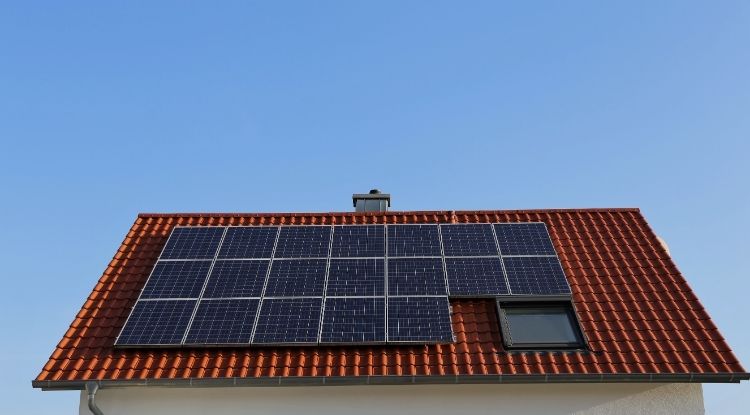
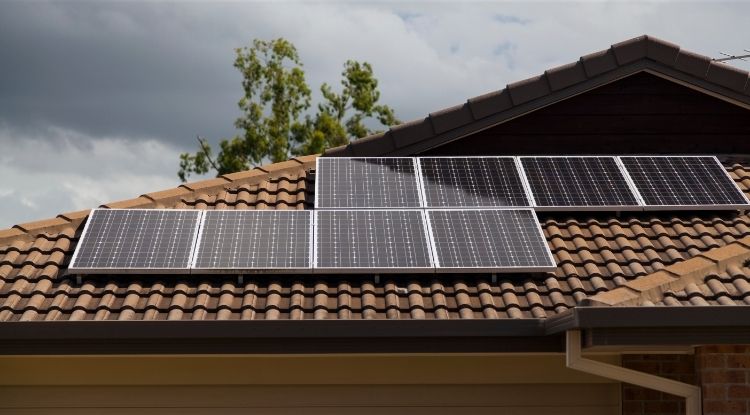
Mounting and Cabling use aluminium rail structures for roof-mounted systems. Ground-mounted installations require additional civil work and cost more. Cable quality matters poor cabling is one of the most common causes of long-term system failures.
Installation and Commissioning covers the physical installation, electrical work, connection to your distribution board, system testing, and net metering application paperwork if applicable.
How Quickly Will Solar Pay for Itself?
The payback period depends on your CEB tariff block, how much of the solar generation you consume directly during the day, and whether you benefit from net metering credits for power you export back to the grid.
Sri Lankan households in the higher tariff blocks those consuming above 180 units per month, where CEB rates climb steeply typically see the fastest payback, often recovering their investment within five to eight years on a system that will last twenty-five years or more. That represents a strong long-term return by any measure.
Budget vs Premium: Is It Worth Paying More?
A budget system using lower-tier panels and a lesser-known inverter can cost 20 – 30% less upfront. However, lower-efficiency panels produce less power per square metre, generic inverters carry shorter warranties and fail more often, and the overall system is likely to underperform the savings projections used to justify the purchase.
For a product that will sit on your roof for twenty-five years, component quality and installer reputation matter enormously. The cheapest quote is rarely the best value always compare what is included in the proposal, not just the bottom-line number.
What Is Not Always Included in Quotes
Before signing a contract, confirm whether the following are included, as they are sometimes quoted separately: CEB or LECO net metering application and connection fees, civil work for ground-mounted systems or roof reinforcement, the bidirectional meter required for net metering, annual maintenance contracts, and extended warranties beyond the standard period.
How to Get an Accurate Price for Your Property
Solar costs vary by site. Roof orientation, shading from trees or neighbouring buildings, the distance from your roof to your distribution board, and your actual monthly consumption data all affect the final price. The only way to get a figure you can trust is to request a site assessment and written proposal from a qualified, registered installer.
At SolarMaster, we provide free site assessments and detailed proposals that include projected generation figures, estimated monthly savings, payback period calculations, and full component specifications with no obligation and no pressure. Contact us to book yours today.
Key Takeaways
A quality on-grid system is the most affordable entry point and the right starting choice for most Sri Lankan homes with a reliable grid connection. Hybrid systems cost more upfront but add invaluable backup power. Off-grid makes financial sense only where the grid is genuinely unavailable. In every case, quality components and a reputable installer deliver far better value over the system’s lifespan than the cheapest quote on the market.