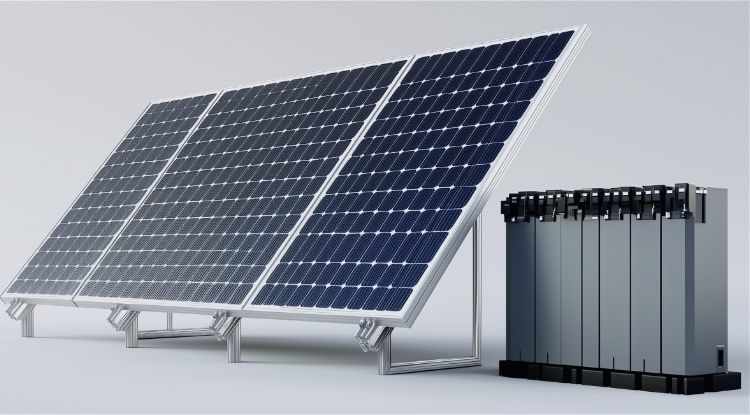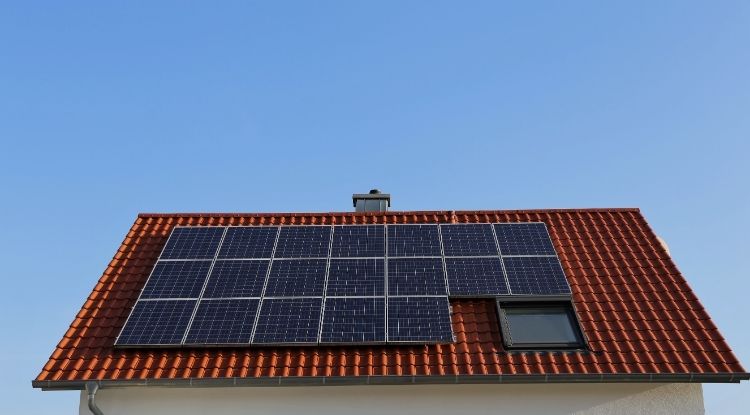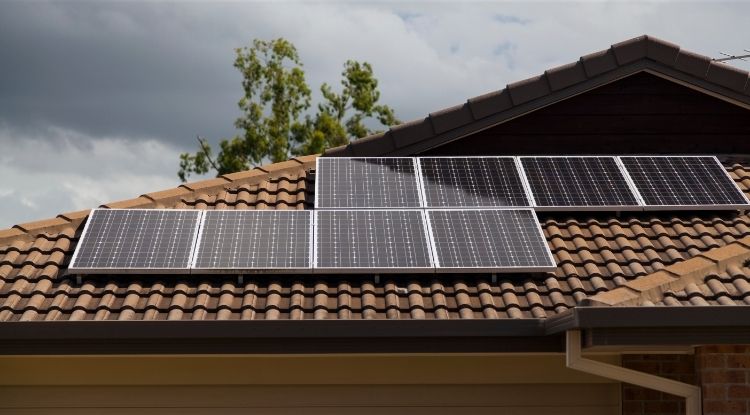

One of the biggest financial advantages of going solar in Sri Lanka is the ability to sell your unused electricity back to the grid – and get credited for it on your monthly bill. This is made possible through the Ceylon Electricity Board’s net metering programme, which has been one of the key drivers behind the rapid growth of rooftop solar across the country. If you are considering a solar installation or have already gone solar but haven’t applied for net metering yet, this guide explains everything you need to know.
What Is Net Metering?
Net metering is a billing arrangement between you and the CEB (or LECO, for areas under their supply) that allows your electricity meter to run in both directions. When your solar panels produce more power than your home or business is using at that moment, the surplus flows back into the grid. That exported energy is measured and credited to your account. When you draw power from the grid at night, or on cloudy days when your panels can’t keep up with demand those units are deducted from your credit balance.
At the end of each billing cycle, you pay only for the net difference between what you consumed from the grid and what you exported to it. In months where your solar system exports generously, your bill can drop to a fraction of what it was before and in some cases, to zero.
Who Is Eligible for Net Metering in Sri Lanka?
The CEB net metering scheme is open to both residential and commercial customers. To be eligible, your property must have an existing CEB or LECO electricity connection, your solar system must be designed and installed by a registered solar installer, the system must use grid-tied or hybrid inverters that meet the technical standards specified by the CEB, and your system capacity must fall within the limits applicable to your tariff category and connection capacity.
Residential customers are typically eligible for systems up to a few kilowatts under the standard domestic tariff. Commercial and industrial customers can apply for larger systems proportional to their sanctioned load. Your installer will advise you on the maximum system size eligible under your specific connection.
It is worth noting that net metering is not available for pure off-grid systems, since those have no grid connection. Only on-grid and hybrid systems that remain connected to the CEB network can participate in the scheme.
How Does the Credit System Work?
The credit mechanism is straightforward. A bidirectional smart meter is installed at your premises, replacing your standard single-direction meter. This meter tracks both how much power you import from the grid and how much you export from your solar system.
Units exported are credited at the applicable CEB export rate, while units imported are billed at the standard tariff rate for your category. The difference your “net” consumption is what you pay for. If you export more than you import in a given month, the surplus credit typically carries forward to the following month rather than being paid out as cash, depending on the current CEB policy at the time of your application.
This carry-forward mechanism means that the summer months, when Sri Lanka receives the most sun, can build up a credit buffer that offsets your bills during less sunny or higher-consumption periods.
Step-by-Step: How to Apply for CEB Net Metering
The application process involves a few steps that your installer will typically guide you through, but it helps to understand the process before you begin.
Step 1 – Install Your Solar System. Net metering applications are only accepted after your system is installed and operational. Your installer must be registered with the Sri Lanka Sustainable Energy Authority (SLSEA) and the system must meet CEB technical standards including approved inverter specifications and safety requirements.
Step 2 – Prepare Your Documentation. The CEB application requires a copy of your National Identity Card, your latest electricity bill showing your account number, a single-line diagram of the solar installation prepared by your installer, a completed net metering application form (available from your regional CEB office or your installer), and a declaration from the registered installer confirming the system specifications.
Step 3 – Submit Your Application. Submit the completed application and supporting documents to your regional CEB office. Your installer will often handle this submission on your behalf as part of their service – confirm this before signing your installation contract so you know who is responsible for the paperwork.
Step 4 – Technical Inspection. The CEB will schedule an inspection of your installation to verify that the system meets their technical requirements and that the inverter is properly configured with the required anti-islanding protection. Anti-islanding is a safety feature that automatically disconnects your system from the grid during a power outage, preventing your panels from back-feeding live power into lines that utility workers may be working on.
Step 5 – Meter Installation. Once the inspection is approved, the CEB will arrange for the installation of the bidirectional meter at your premises. After this is fitted and commissioned, your net metering account becomes active and export credits begin accumulating from that date.
Step 6 – First Net Metered Bill. Your first bill under net metering will reflect your net consumption for the billing period since the meter was activated. From this point forward, your monthly bill will directly reflect the balance between what your solar system exports and what you draw from the grid.
How Long Does the Process Take?
The timeline from application submission to meter activation has improved in recent years but still requires patience. From submission to inspection approval typically takes several weeks, and the meter installation scheduling can add further time. In busy periods or in certain regional offices, the total process from application to active net metering can take anywhere from one to three months.
During this waiting period your solar system is still generating and supplying your home — you simply won’t receive export credits until the bidirectional meter is installed. Some households choose to install a larger battery to store daytime surplus during this window rather than exporting without credit.
How Much Can You Save with Net Metering?
The savings depend on your consumption profile, your CEB tariff block, and how much your system generates relative to your usage. Households in the higher tariff blocks – those using more than 180 units per month – benefit most, because the CEB’s tiered tariff structure means those top units are the most expensive ones you consume. Solar generation displaces precisely those expensive peak units first.
A well-designed 5 kWp system on a south-facing roof in Sri Lanka can generate enough power to cover most or all of a typical household’s monthly consumption, with surplus exported during daytime hours while the household is empty. Combined with net metering credits, many SolarMaster customers see their monthly CEB bills reduce by 70 to 90 percent – and some months, to almost nothing.
Common Questions About Net Metering in Sri Lanka
Can I get a cash payment for my exports? Under the current CEB net metering scheme, surplus credits carry forward month to month but are not paid out as cash. They offset future import charges. The terms are reviewed periodically, so it is worth confirming the current policy with your installer or the CEB at the time of application.
Do I need a special inverter? Yes. The CEB requires that grid-tied and hybrid inverters meet their technical specifications, including anti-islanding protection and approved communication protocols. Reputable installers will only use approved inverter models — confirm this before purchasing.
What happens if I move house? The net metering account and the solar system are tied to the property and its electricity account, not to you personally. If you sell the property, the system — and the net metering arrangement — typically transfers to the new owner, which can add value to the property sale.
Can businesses apply too? Yes. Commercial, industrial, and hotel customers are eligible for net metering under the relevant commercial tariff categories, often with higher permitted system capacities than residential connections.
Getting Started
If you are ready to explore net metering for your home or business, the first step is to get a proper site assessment and system design from a registered solar installer. SolarMaster handles the full net metering application process on behalf of our customers — from documentation preparation and CEB submission through to inspection and meter installation. Contact us to arrange your free consultation and find out exactly how much you could save.